GovCon: Schedule Traceability
Schedule Traceability refers to the consistency and alignment of schedule data—both across different levels of detail (vertical traceability) and among schedules at the same level (horizontal traceability).
- Vertical Traceability ensures that schedule dates, status, and revisions are consistent from detailed tasks up through higher-level project summaries. In estimating, it means all data is accurately summarized without exclusions or double counting, and totals are correct.
- Horizontal Traceability (or horizontal integration) ensures that schedules maintained by different teams, departments, or subcontractors align in terms of dates and dependencies. It is demonstrated by logically linking predecessor and successor tasks across these schedules, creating a coherent and supportable plan that also rolls up accurately to the overall project schedule.
Why Schedule Traceability Is Important?
Ensures Schedule Integrity
- Confirms that the project plan is complete, logical, and free of contradictions.
- Prevents missed dependencies or gaps that could lead to delays.
Enables Accurate Reporting and Roll-ups
- Vertical traceability supports reliable reporting at summary levels (e.g., control accounts, program milestones).
- Ensures executive dashboards reflect real progress from the ground up.
Supports Impact Analysis and Change Control
- Helps identify what work is affected when changes are made.
- Enables data-driven decisions when reforecasting or managing scope changes.
Improves Risk Management
- By exposing logical and data inconsistencies, it helps detect schedule vulnerabilities early.
- Supports proactive mitigation planning.
Facilitates Cross-Team Coordination
- Horizontal traceability ensures that teams working on different components or in different orgs are working to the same schedule.
- Reduces duplication, misalignment, and integration risks.
Meets Contractual and Regulatory Requirements
- Required for compliance with standards like DCMA 14-Point Assessment, Earned Value Management (EVM), and Integrated Master Schedule (IMS) reviews.
- Demonstrates planning discipline and accountability to stakeholders or auditors.
Why Customers Use Schedule Traceability?
- To manage large, complex projects with multiple stakeholders, vendors, and phases.
- To comply with government or client mandates for visibility and schedule rigor.
- To ensure all teams are aligned on key dates and deliverables.
- To track progress and performance accurately, especially when tying into earned value or financial systems.
- To reduce surprises and improve on-time delivery through early detection of issues.
Schedule Traceability in Cora
Schedule traceability in Cora is not a single feature, but rather an integrated set of functionalities that work together to provide end-to-end visibility and consistency across your project plans.
Cora supports both vertical and horizontal traceability by enabling users to:
- Align task-level data with program-level milestones through Work Breakdown Structure (WBS) hierarchies and summary roll-ups.
- Maintain consistency of dates, status, and revisions across schedule levels.
- Link dependencies between tasks and milestones using logical predecessor-successor relationships, even across projects or teams.
- Coordinate cross-functional and cross-organizational plans through shared schedules, portfolio views, and program dashboards.
- Monitor impact of changes via baseline comparisons, change logs, and critical path tracking.
This integrated approach ensures that all stakeholders—from project teams to executive sponsors—have a clear, consistent, and real-time view of the schedule, supporting better decision-making and project control..
The Process
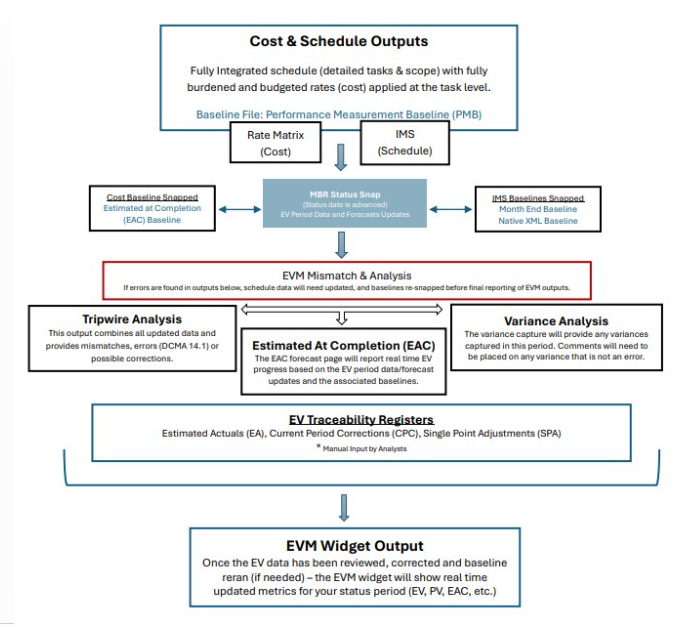
The Functionality in Cora
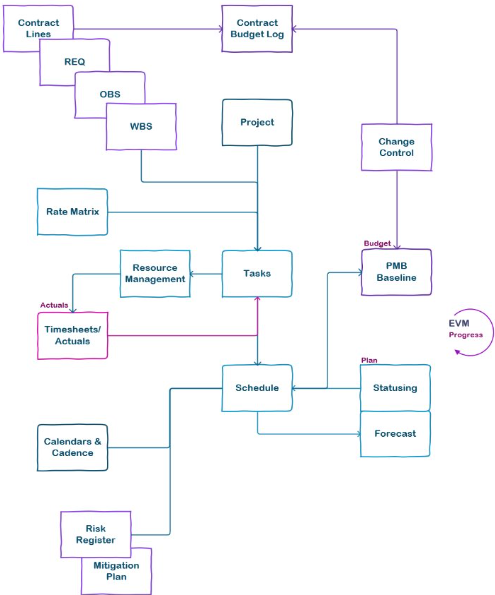
How to Setup and User Schedule Traceability in Cora
As mentioned, Schedule Traceability in Cora is not a single feature, but a collection of integrated functionalities. To understand how to set up and use in Cora, refer to the features outlined in the diagram above. Each one plays a role in how to configure, use, and ultimately producing a fully traceable schedule.
Was this article helpful?
That’s Great!
Thank you for your feedback
Sorry! We couldn't be helpful
Thank you for your feedback
Feedback sent
We appreciate your effort and will try to fix the article